Yongkang Shuangyu Industry and Trade Co., Ltd

Tent

Your Leading Yongkang Shuangyu Industry and Trade Co., Ltd. Supplier

Yongkang Shuangyu Industry and Trade Co., Ltd. was established on November 15, 2012, its harmonious and harmonious working environment, positive learning atmosphere to absorb a lot of talented people to join, the company's main members of 3 people, registered in Yongkang market supervision Administration. At the same time of continuous development, to provide sufficient growth stage and development space for individuals. In the Internet era where opportunities and risks coexist, the company seeks development in competition, seeks opportunities in challenges, and strives to provide the most advanced products, the most advanced technology and perfect after-sales service.

Why Choose Us?

Rich experience

We have accumulated rich production experience and sales experience to ensure that you get high quality products.

24h online service

We will provide you with industry-leading pre-sale consultation and after-sales replacement and maintenance services, 7/24 hours online support.

Competitive price

We have the world's advanced production technology, perfect production line, efficient production process, smooth supply chain, can let you get the most perfect price.

Quick delivery

We have multiple raw material purchase channels, large production scale and stable supply chain, to provide a strong guarantee for rapid delivery.


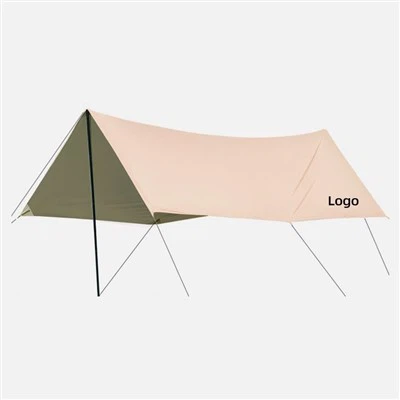
  • 5 Room Tent for 20 Person

    5 Room Tent for 20 Person

    Color:Khaki. Tent structure:single layer account. Construction:Free build quick open. Tent unfolded

    Add to Inquiry
  • Camping Tents for Adult

    Camping Tents for Adult

    Tent structure:double layer tent. Construction:Free build quick open. Tent unfolded

    Add to Inquiry
  • Small Tent for 1 Person

    Small Tent for 1 Person

    Brand:customizable. Item No.:Square eaves coated with silver canopy. Material:other. Waterproof

    Add to Inquiry
  • Lightweight Tents for Camping

    Lightweight Tents for Camping

    Brand:custom made. Item No.:001. Material:other. Waterproof index:Greater than 3000mm.

    Add to Inquiry
  • Portable Changing Small Tent

    Portable Changing Small Tent

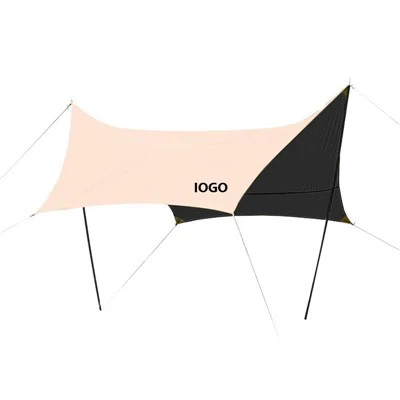
    Brand;Customized LOGO. Item No.:Hexagonal eaves coated with silver canopy. Materialpother.

    Add to Inquiry
  • Colorful Tent for Family

    Colorful Tent for Family

    Brand:Customized LOGO. Color:off white. Item No.:001. Material:other. Size:4.4*4.4,4.4*5.5.

    Add to Inquiry
  • Heavy Duty Tent for Traveling

    Heavy Duty Tent for Traveling

    Color:off white. Item No.:004. Material:Oxford cloth. Size:300*400, 440*500. WSaterproof index:More

    Add to Inquiry
  • Large Tent for 4 Person

    Large Tent for 4 Person

    Brand:customizable. ColorP;off white. Item No.Square eaves coated with silver canopy.

    Add to Inquiry
  • Small Portable Multicolor Tent

    Small Portable Multicolor Tent

    Brand:PCustomized LOGO. CFolor:off white. Item No.P;Hexagonal eaves coated with silver canopy.

    Add to Inquiry
  • Waterproof Black Tent

    Waterproof Black Tent

    Tent unfolded size:205*205*142cm. Applicable season:Suitable for all seasons. Weight:3777. Strut

    Add to Inquiry
  • Solid Large Tent

    Solid Large Tent

    Tent structure:double layer tent. Construction:Free build quick open. Tent unfolded

    Add to Inquiry
  • Thick Tent

    Thick Tent

    Brand:customizable. Item No.:Square eaves coated with silver canopy. Material:other. Waterproof

    Add to Inquiry
First 12 Last 1/2
What Is Tent?

A tent is a shelter consisting of sheets of fabric or other material draped over, attached to a frame of poles or a supporting rope. While smaller tents may be free-standing or attached to the ground, large tents are usually anchored using guy ropes tied to stakes or tent pegs. First used as portable homes by nomads, tents are now more often used for recreational camping and as temporary shelters

Small Tent For 1 Person
Benefits of Tent
 

Environmental friendliness
Tents have a minimal impact on the environment, as they take up less space and use fewer resources during construction.
Energy efficiency
Due to their smaller size, tents require less energy for heating, cooling, and lighting, resulting in lower energy consumption.
Resource conservation
Tents use fewer building materials, reducing resource consumption and waste generation, promoting a more sustainable lifestyle.
Mobility and flexibility
Tents can be easily relocated, allowing for responsible land use and the ability to adapt to different environments.
Natural ventilation
With better airflow and natural ventilation, tents reduce the reliance on energy-intensive air conditioning systems.
Connection to nature
Living in tents fosters a deeper connection to the natural world, encouraging eco-friendly practices and environmental consciousness.
Versatility
Tents can be used in various settings and climates, providing sustainable living solutions in different landscapes.
Re-usability and durability
High-quality tents can be reused for multiple purposes and events, extending their lifespan and minimizing waste.
Off-grid living options
Tents can be equipped with eco-friendly technologies such as solar panels and composting toilets, enabling off-grid, sustainable living.
Water conservation
Depending on the setup, tents require less water for cleaning and maintenance compared to conventional housing options, contributing to water conservation efforts.

Types of Tent
 
1

Dome tent
The dome tent is the most common design today. It has two flexible tent poles that cross in the center and are anchored to the corners of the tent with stakes, creating a dome shape that makes this tent easily distinguishable from other types. Dome tents come in a range of different sizes, with capacity ranging from a single person up to about eight people, making it an option for both backpacking and car camping, and for a solo camper or a family camping.

 
2

A-frame tent
Formerly very popular with campers due to its simple design, the A-frame tent (also known as the Ridge tent) looks like a capital A, as its name suggests. Originally made of canvas with metal or wooden poles, modern options of this tent are composed of lightweight fabric such as nylon and polyester and have aluminum poles. This tent is easy to set up and surprisingly stable, but it is heavy, bulky when packed, and lacks headroom.

 
3

Multi-room tent
The best option for large families with kids, the multi-room tent is closer to a house than a traditional tent. The primary advantage of this type of tent is privacy, created by room dividers. The multiple rooms also offer gear storage. These tents are typically large and have the interior space needed to provide enough room for a large family or group. The main drawback of this style of tent is its weight and size, and pitching takes more practice and time. Windy conditions will also be a major issue for large, multi-room tents. Although they have some drawbacks, multi-room tents are the preferred choice for large family gatherings, as they will provide comfort and plenty of space - you could even fit multiple cots or air mattresses (in some tents even a king-size mattress) inside!

 
4

Backpacking tent
If a multi-day hike or a long-distance trek to your campsite from the car is to be expected, a lightweight tent or an ultralight tent is the best choice. Generally, backpacking tents are smaller than other options and may have a significantly lighter packaged weight and an extremely light minimum trail weight, since hikers may be carrying them for many miles into the backcountry in or attached to their backpack. Their design tends to value small size and their material quality tends to directly impact the price point. Since backpacking tents typically have fewer poles, a small packed size, a lower peak height, and limited square footage, they are usually one-person or two-person tents, but three-person and four-person backpacking tents do exist.

 
5

Geodesic and semi-geodesic tents
These tents have all the advantages of a dome tent with increased support, durability, and stability. The poles of these tents cross many times, intersecting to form triangles along the tent top, giving it a lot of stability. They are better than dome tents at holding up in heavy rain or storms but are larger to pack and more challenging to pitch.

 
6

Pop-up tent
Relatively newer and also known as "instant" tents, pop-up tents are spring-loaded and pop into shape in just a few seconds. These tents are not meant for extreme weather conditions; there are better options for camping in inclement weather. Ease of use is the key perk with pop-up tents.

 
7

Tunnel tent
Similar to a dome tent, but longer and more cylindrical, these tents tend to use guy ropes (ropes that go from attachment points on the outside of the tent to the ground for added stability) to pitch, meaning they are typically non-freestanding tents. They offer a great space-to-weight ratio and identical pole length, so you don’t need to worry about mixing up poles. The biggest issue is they must be pitched properly or else they may sag in the middle.

 
8

Inflatable tent
Another newer design, these tents come with inflatable poles. This makes for an easy one-person setup, but the inflatable tent is heavier than other models and requires an air pump.

 
9

Teepee tent
The teepee (or tipi) is the original, often cotton, canvas tent. Also referred to as a bell tent, this type of tent tends to have a high peak height, is easy to pitch, and only needs a single central pole. Traditionally, teepee tents were heavy and bulky, although the modern models can be lightweight and are similar to a minimalist, tarp-style set-up. These tents have a high pitching point (the point where the pole meets the tent, creating the peak of the tent), which allows for plenty of headspace when inside the tent, but may pose a challenge when setting up. Flooring is often not included.


Material of Tent


productcate-1-1

01.Canvas: The classic tent material.

Canvas has been used for tent construction for centuries and is still a popular choice today. It is a durable and breathable material that can withstand harsh weather conditions. Canvas tents are also known for their ability to insulate against both heat and cold, making them a great option for camping in any season. However, canvas tents can be heavy and bulky, making them less convenient for backpacking or hiking trips.

02.Nylon: Lightweight and durable.

Nylon is a popular material for modern tent construction due to its lightweight and durable properties. It is a synthetic fabric that is resistant to water and UV rays, making it a great option for camping in wet or sunny conditions. Nylon tents are also easy to pack and transport, making them a popular choice for backpackers and hikers. However, nylon tents may not provide as much insulation as canvas tents, so they may not be the best option for camping in extreme weather conditions.

03.Polyester: Water-resistant and affordable.

Polyester is another popular material used in tent construction. It is a synthetic fabric that is known for its water-resistant properties, making it a great option for camping in wet conditions. Polyester tents are also affordable and lightweight, making them a popular choice for casual campers. However, polyester may not be as durable as other materials and may not provide as much insulation, so it may not be the best option for camping in extreme weather conditions.

04.Poly-cotton: The best of both worlds.

Poly-cotton is a blend of polyester and cotton, combining the best properties of both materials. The cotton provides breathability and comfort, while the polyester adds durability and water resistance. Poly-cotton tents are a popular choice for camping in a variety of conditions, as they offer a good balance of comfort and practicality. They are also relatively easy to care for and maintain, making them a great investment for frequent campers.

05.Gore-tex: The ultimate in waterproofing.

Gore-Tex is a highly advanced material used in some of the most high-end tents on the market. It is a waterproof and breathable fabric that is made up of multiple layers, including a membrane that allows water vapor to escape while preventing water from entering. This makes it ideal for camping in wet and rainy conditions, as it keeps you dry while also allowing your body to breathe. Gore-Tex is also incredibly durable and long-lasting, making it a great investment for serious campers and outdoor enthusiasts.

06.Mesh

Mesh fabric is typically used for the windows and doors of tents to provide ventilation while keeping insects out. In some cases, entire tent walls may be made of mesh for added breathability. Here are some additional details on mesh material for tents.

06.PVC

PVC (polyvinyl chloride) material is sometimes used for tent construction, particularly for larger party or event tents. PVC tents tend to be waterproof, durable, and resistant to UV radiation. Here are some additional details.
Components of Tent


Vestibule/porch
All good car camping and family tents will have a large porch. And backpacking tents also usually have a small porch area. Gear is stored in this space to free up space in the sleeping area. It’s also a good area to cook and eat meals.
Outer tent/rain fly
A rain fly is a layer of tough waterproof fabric that is placed over the top of an inner tent (with a gap between). It’s main job is to keep the rain out. But it will also be windproof.
Inner tent
These sit underneath a rain fly and are either clipped to the poles or clipped to the fabric of the rain fly. Inner tents are not waterproof, but create an area for sleeping that is separate to the porch of the tent.
Pole hub
Some tents have pole configurations that connect in one central spot. These are either permanently attached (and collapsible) to a central fixing, known as the pole hun, or can be totally disconnected from it.
Guy lines
Guy lines that are staked to the ground ensure that tents withstand windy conditions. They also create tension across the outer fabric of the tent to prevent rain water pooling in saggy areas. Guy lines should have an adjustable mechanism that allows them to be tightened and loosened as necessary.
Pegs/stakes
To keep tents securely attached to the ground, tent pegs are used. They are usually metal.
Gear loft
Some tents make the most of the extra space in their ceiling by having a small ‘shelf’ to store small items of gear.
Storage pockets
Most tents have storage pockets that are integrated into the inner tent. These help keep the tent organised and are useful for storing personal items.
Groundsheet
This is the section of the tent that you walk and lie on. It is usually made of waterproof fabric that is highly durable, although lightweight tents often have thin groundsheets. Inner tents have integrated groundsheets, whereas rainfly’s often have a detachable groundsheet, or none at all.
Footprint
Tents that don’t have a durable or waterproof groundsheet can be pitched on a footprint. This is essentially a groundsheet that is designed for a specific tent, and is used as an optional extra.
Vent
All tents have vents. Usually in the rain fly as well as the inner tent. They are essential at keeping air flowing through the tent which in turn helps manage internal condensation.
Mesh door
Mesh doors are essential when camping in areas where bugs and insects are a problem. They are also very lightweight and often feature in backpacking tents where low weight is important.
Tent divider
Larger tents that accommodate 3 or more people sometimes have a removable divider in the inner tent. These are great if you need some privacy from your tent mates, or if you have kids that need to go to bed earlier that you. Dividers are usually made of lightweight fabric and are simply hooked into the ceiling of the inner tent.
Internal gear hooks
Gear hooks are positioned in various places inside both the inner tent and rain fly. They are useful for hanging up a washing line up between them for drying clothes. Or they can be used to hook lanterns and lighting up in the ceiling.
Door tie backs
All tents have door tie backs. They are usually a simple toggle and loop that holds the rolled up door in place and out of the way to keep the door open.
Pole attachment points
Most tents have a point at which the end of the pole attaches to either the outer or inner tent, depending on the tent design. The systems vary, but once in place they are very secure.
Storm flaps
Outer tent doors with zips usually have a strip of fabric that folds over the the zip to prevent rain (and wind) from coming through the teeth of the zip. Many storm flaps are secured at their base with a velcro tab to keep them in place.
Pole clip
These are clips or hooks that are used to attach the poles to either the inner or outer tent. They vary from tent to tent, and should be easy to attach but very secure when in place.


Our Factory
 

The company is located at No.111 East Changsheng Road, Xiangzhu First Village, Xiangzhu Town, Yongkang City, Jinhua City, Zhejiang Province. Main business of sports supplies, needles textiles, daily rubber products, pumps and accessories, engineering machinery and accessories, auto parts, motorcycle accessories, office appliance, kitchen utensils, hardware tools, toys, pet appliance, daily plastic products, daily hardware products, MuZhu products manufacturing, processing and sales, sales of commodities, goods and technology import and export business, etc.

1


FAQ
 

Q: What is a tent short answer?

A: A tent is a shelter made of canvas or nylon which is held up by poles and ropes, and is used mainly by people who are camping.

Q: What are tents explained?

A: A tent is a shelter consisting of sheets of fabric or other material draped over, attached to a frame of poles or a supporting rope. While smaller tents may be free-standing or attached to the ground, large tents are usually anchored using guy ropes tied to stakes or tent pegs.

Q: Why is a tent called a tent?

A: The word “tent” comes from the Latin word tendere meaning “to stretch” – as in a piece of material stretched tautly across a frame. Tents are typically, but not always, thought of as portable shelters and it has been that way for a long time.

Q: What is the main purpose of a tent?

A: Tents are usually used as shelter during camping, hiking, and other outdoor recreational activities. Large tents are also used to provide temporary shelter for events such as outdoor weddings or circuses.

Q: Why do people need tents?

A: Tents Protect from Weather Related Events
An event tent protects guests, food, furniture, personal items and more from rain and other elements. So, even if there's a massive rainstorm during your event, your guests will still be comfortable and able to enjoy themselves with protection from the tent.

Q: Why do homeless people use tents?

A: Tents for Homeless addresses the critical need to protect homeless people from inclement weather and to offer a temporary night-time place of refuge by providing durable, light-weight, weather-resistant tents and sleeping bags to homeless women, men and children not in emergency shelters.

Q: Where did the tent originate?

A: As of recently, scientists found remains of tents in Russia that date back all the way to 50,000 B.C. Many residents in the early years of human life relied heavily on tents until advancements provided more permanent structures. These tents were made of basically what was available to them; leather, wood, and rope.

Q: What do tents protect you from?

A: The function of a tent is simple. Good tents are designed to protect you from the elements, primarily rain, wind or snow, so you and your gear stay dry and close by! It might not be so obvious here in Britain, but tents also protect campers from the sun in warmer climes.

Q: Why there is an opening in the tent?

A: It is used to remove smoke from the tent. Mostly, smoke comes from chulhas in the tent.

Q: What is the reason most people give for going tent camping?

A: Spending nights outdoors allows people to view constellations not visible at home and hear the sounds of nature, like the yips of coyotes or the trills of songbirds. More than any other reason, people camp to have an adventure in nature.

Q: What happens if a tent gets struck by lightning?

A: If a lightning bolt hits a tent the energy will unevenly be discharged through the tent's frame into the soil. Therefor, the energy jumps or breaks through the isolated spots. Consequently, electric potential accumulates in the soil beneath – dangerous step voltage is the result.

Q: Do you lock your tent at night?

A: Yes it is possible to lock your tent from inside or outside by using small padlocks, which can go through the zip loops on the tent internally or externally. Some people like to do this before they go to sleep so they know their tent is safe from intruders.

Q: Do you need to air out a tent?

A: Thoroughly air-dry your tent after trips and cleanings.
There's no such thing as too much drying time.

Q: Does camping help with mental health?

A: Being in nature has been shown to reduce stress, improve sleep, and help regulate your mood. The simple act of being exposed to nature can be beneficial for your mental health, but camping allows you to really immerse yourself in the environment.

Q: Are you safe in a tent in thunder?

A: Remember, a tent offers NO protection from lighting. Stay away from water, wet items, such as ropes, and metal objects, such as fences and poles.

Q: How do I keep my tent from being stolen?

A: If you are planning on locking your tent, a small cable lock or padlock will do the job. These make it easy to loop together and lock the two tent zippers on any tent door, preventing unwanted intruders. There will be holes in the zippers for the padlock or cable to pass through.

Q: Where is the safest place to camp during a thunderstorm?

A: Ideally, you should pitch your tent away from trees and in a lower-lying area that isn't at risk of flooding, like a shallow depression. Camping directly on a ridgeline or under a tree puts you at greater risk of lightning strike, as do these other locations.

Q: What should you put under your tent?

A: A groundsheet is typically made of a durable, waterproof material such as polyethylene or nylon and is designed to be placed underneath the tent to provide an additional layer of protection against moisture and abrasion.

Q: Why shouldn't you touch the inside of a tent?

A: Touching the interior of the tent
This is because when one touches the inner walls, the water droplets that gather lose their surface tension which causes them to seep through the tent fabric. Whether intentional or not, this can easily cause a leakage.

Q: What are the common accidents around tents?

A: According to RoSPA, common accidents around tents include people tripping over guy ropes or treading on tent pegs. Give tents a wide berth when you're walking around a campsite, especially when it's dark.

We're known as one of the most professional tend manufacturers and suppliers in China. If you're going to wholesale high quality tend for sale, welcome to get more information from our factory.

Waterproof Black Tent, Tear Resistance Tent, Large Thick Tent
goTop

(0/10)

clearall